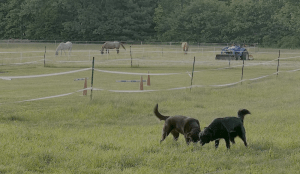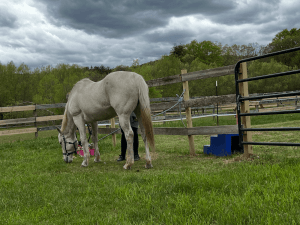
 When most people think of therapy, they imagine a comfy chair, a notepad, and a professional with a calm voice asking, “And how does that make you feel?” What they don’t picture is a 1,200-pound animal with hooves, hay breath, and the uncanny ability to detect your mood before you do. Welcome to the world of Equine-Assisted Therapy—where healing has four legs, a swishy tail, and a stubborn streak.
What Is Equine-Assisted Therapy?
Equine-Assisted Therapy (EAT) refers to a broad range of treatments involving horses to promote physical, emotional, and mental well-being. The horse isn’t just a prop—it’s a partner. Therapists use horses to help individuals develop communication, trust, empathy, self-confidence, and emotional regulation. This type of therapy is used for people of all ages and walks of life, including those dealing with PTSD, anxiety, depression, autism, ADHD, and trauma.
And no, you don’t always have to ride the horse. Sometimes, it’s just about being near them, grooming them, or leading them. Imagine trying to lead a 1,200-pound animal with your anxiety flaring—spoiler alert: the horse will not be gaslit. Horses have a built-in nonsense detector.
A Trot Through History: From Chariots to Counseling
While it might feel like a modern innovation, the roots of equine therapy run deep:
-
Ancient Greece: Hippocrates—the father of medicine—wrote about the benefits of horseback riding for health and well-being. (Because apparently, even 2,400 years ago, someone knew horses were good for the soul.)
-
17th Century: European physicians used horseback riding to treat neurological disorders.
-
1940s: After WWII, therapeutic riding was introduced to help veterans with physical and psychological trauma.
-
1969: The North American Riding for the Handicapped Association (now PATH International) was established to formalize therapeutic riding programs.
-
Today: Equine-assisted therapy is used globally in clinical, rehabilitative, and educational settings. It’s no longer just a feel-good activity—it’s evidence-based and often part of multidisciplinary treatment plans.
Why Horses? (And Not, Say, Therapy Goats?)
Good question. While goats are adorable and yoga-friendly, horses bring something unique to the table:
-
Size & Power: Working with a large animal helps people confront fears, build confidence, and establish boundaries.
-
Nonverbal Communication Experts: Horses read body language like pros. They respond to tone, posture, and attitude. If you’re emotionally shut down, the horse knows. If you’re pretending to be calm while internally spiraling—again, the horse knows.
-
Instant Feedback: They’re honest, non-judgmental, and uninterested in your resume. Their reactions help clients better understand how their behavior affects others.
-
Social Herd Animals: Horses are highly sensitive to group dynamics, mirroring human relationships and emotional states. Their feedback fosters self-awareness and social learning.
Types of Equine-Assisted Therapy
Equine-assisted therapy isn’t one-size-fits-all. Here are a few formats you might encounter:
-
Equine-Assisted Psychotherapy (EAP): Guided by a licensed mental health professional and an equine specialist, clients engage in ground-based activities (no riding required).
-
Therapeutic Riding: Focused on developing riding skills, coordination, and confidence—especially beneficial for individuals with disabilities.
-
Hippotherapy: A licensed physical, occupational, or speech therapist uses the horse’s movement as part of a structured treatment plan.
-
Equine-Facilitated Learning (EFL): Used in education or corporate environments to build leadership, team dynamics, and emotional intelligence.
Who Benefits From Equine-Assisted Therapy?
Spoiler alert: Pretty much everyone.
-
Veterans with PTSD: Horses help with emotional regulation, hypervigilance, and re-establishing trust.
-
Children with Autism or ADHD: Riding and working with horses can improve focus, communication, and motor skills.
-
Individuals with Depression or Anxiety: The routine, movement, and bonding with a horse provide structure, purpose, and emotional connection.
-
Survivors of Trauma: Horses offer a safe, non-verbal path to healing, encouraging vulnerability and empowerment.
Even those who struggle to open up in traditional therapy often find unexpected breakthroughs in a barn rather than an office.
Science Backs It Up (Because Anecdotes Are Great, But Data Pays the Bills)
Studies have shown measurable improvements in:
-
Cortisol levels (reduced stress)
-
Heart rate variability (better emotional regulation)
-
Social functioning and empathy
-
Executive functioning in kids with ADHD
And while we’re not saying horses are miracle workers…well, actually, yes we are. In lab coats.
The Future of Equine Therapy: More Than Just a Trend
As mental health awareness grows and alternative therapies gain mainstream traction, equine-assisted programs are becoming more prevalent—and more respected.
Future trends include:
-
Integration with telehealth: Virtual check-ins with therapists combined with in-person barn sessions.
-
Trauma-informed equine programs tailored for specific populations like refugees, abuse survivors, or front-line workers.
-
Research-driven models to secure insurance coverage and expand access.
-
Urban horse programs to bring EAT to underserved communities.
And of course, we’ll continue seeing Instagram posts of therapists in riding boots saying, “Today’s session involved manure and a major emotional breakthrough.”
Parting Thought: Healing Has Hooves
Equine-Assisted Therapy is more than just a feel-good barn day. It’s a dynamic, evidence-based approach to healing and growth. Whether it’s helping a veteran sleep through the night, a child speak their first words, or an anxious adult breathe again—horses are quietly changing lives, one hoofbeat at a time.
So next time you’re looking for clarity, courage, or connection, you might just find it standing in a stall, munching hay, and waiting for you to show up.
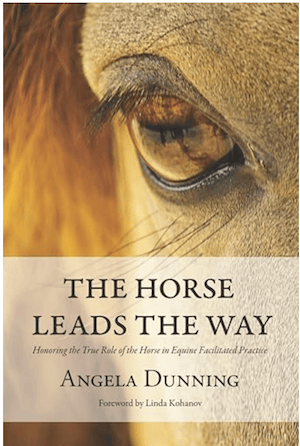 The Horse Leads the Way: Honoring the True Role of the Horse in Equine Facilitated Practice
The Horse Leads the Way offers a profound and timely exploration of the evolving field of Equine Facilitated Practice. Blending elements of a professional handbook with the authenticity of personal narrative, author Angela Dunning delivers a heartfelt and thoughtful critique of current practices while offering a compassionate roadmap forward.
With a focus on embodiment, presence, and ethical integrity, Dunning invites readers to reconsider the role of the horse—not as a therapeutic tool, but as a sentient partner and co-facilitator in the healing journey. Her writing weaves grounded methodologies with spiritual insight, creating a resource that is both practical and deeply reflective.
More than just a guide for practitioners, The Horse Leads the Way serves as a call to honor the wisdom and agency of the horse. It champions a return to authentic connection, encouraging facilitators to slow down, listen deeply, and let the horse truly lead the way. More information…